

The Toronto car accident lawyers at Verkhovets Law warn that in the age of instant online information, social media has become an ever-present part of our lives, allowing us to share experiences, connect with friends, and express our thoughts freely.
But are there dangers with social media after a car accident? Yes, says our Toronto car accident lawyer, Mariya Verkhovets, noting that in personal injury matters, social media can present many legal pitfalls for those pursuing compensation.
Our Toronto car accident lawyer points to Mohamud v. Juskey (2023), an important recent ruling from the Superior Court of Justice that’s a reminder of the importance of being careful with social media while in litigation – it confirms your posts may be scrutinized, unless such intrusion causes prejudice. (The case provides a privacy update discussed below.)
The Toronto car accident lawyers at Verkhovets Law have seen it happen:
Insurance companies get private detectives to comb social media profiles for evidence that could undermine a claim. The bottom line: statements or images can be used to contradict your personal injury matter, says the Toronto car accident lawyers at Verkhovets Law.
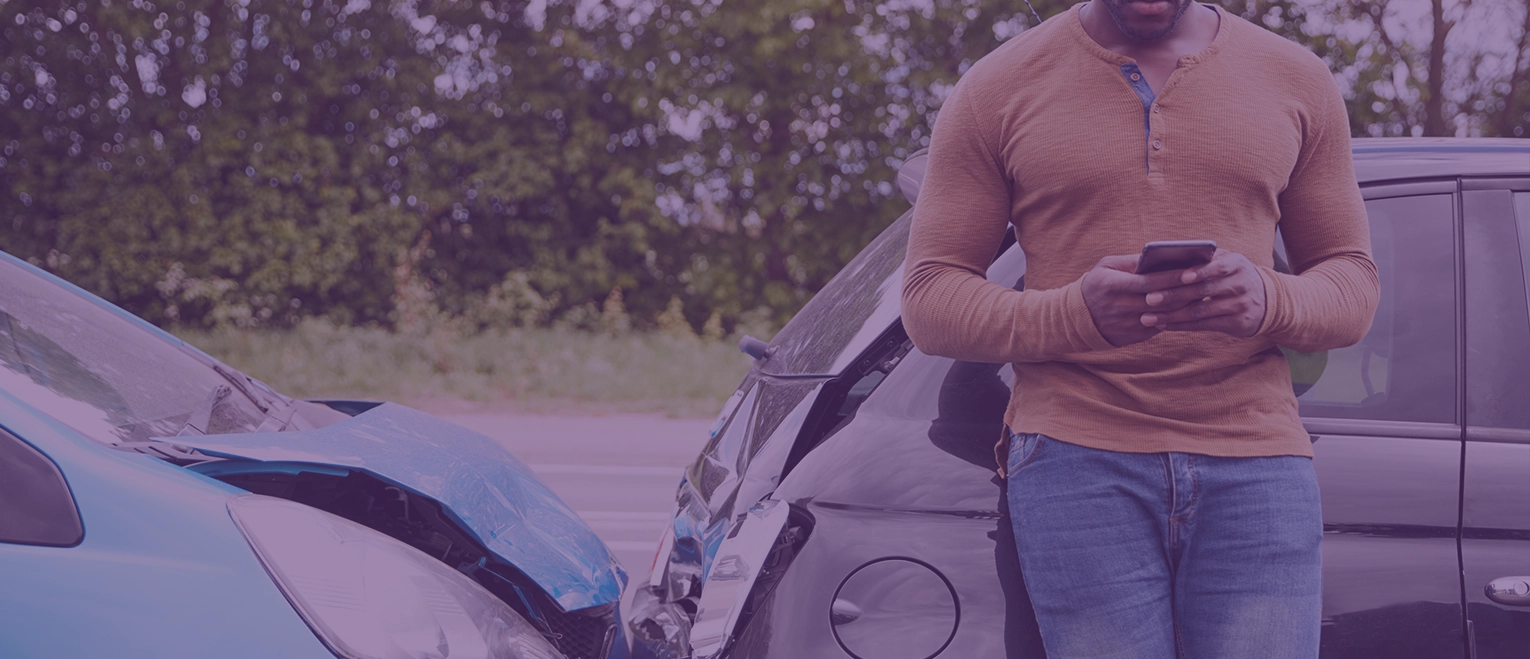
As of 2023, there are 30 million Facebook users in Canada, with the lion’s share in Ontario at 6.4 million active members. Our Toronto car accident lawyers say that’s a treasure trove of information to twist – especially if you factor all platforms. There are also between 13.8 million – 20.65 Canadians on Instagram, 21.9 million Linkedin users, 7.9 million on X, and 3.2 million actively use TikTok.
The main problem with social media? These are posts, photos, and reactions that you, yourself, supplied. Were you joking? Were you downplaying your injuries? Or, are your injuries not as severe as you claim to the insurance company? So, are there dangers with social media after a car accident? Yes, absolutely!
Social media and the courts have been evolving with content use in personal injury matters since the early 2000s. Leduc v. Roman (2009) found that Facebook posts, even set private, are documents under the Rules of Civil Procedure, and those relating to case issues had to be listed in the Affidavit of Documents.
Isacov v. Schwartzberg (2018) shattered a car accident victim’s privacy expectation if posts behind the privacy wall are found relevant. Nemchin v. Green (2019) from the Ontario Court of Appeal provided guidance on the use of deactivated social media.
So, don’t be this woman: In Kaiser v. Williams (2015), a car accident victim sued and was challenged on the extent of her claims. The defence used Facebook posts showing her wakeboarding, doing handstands, and dancing to discredit her credibility. While our Toronto car accident lawyer at Verkhovets Law notes she received damages, the posts were found “inconsistent” with her evidence as to her limitations and her compensation was reduced.
The Toronto car accident lawyers know what’s sought: rash comments like, “Yikes, car crash today. I’m OK!” Then later, you discover an injury. Or those that could:
Our Toronto car accident lawyer notes Juskey brings the balance between relevance and privacy into the spotlight. The case acknowledges that social media is the fabric of our lives and as such is important as evidence in personal injury cases.
But it also sets the bar higher warning against fishing expeditions and blanket production. The case notes that parties should be mindful of privacy rights and narrow their social media disclosure requests to those directly relevant to the matter.
Juskey also recommends using third-party experts to review the content and redact that which is irrelevant before given to the court. Our Toronto personal injury lawyer, Mariya Verkhovets, says this approach protects privacy while allowing only relevant social media information be presented.

Our Toronto car accident lawyers know that the best practice is to go dark: stop posting anything, even if it’s not about your accident. That one second where a grimace looks like a grin in a photo can haunt your case.
Here’s action our Toronto car accident lawyers suggest:
Remember, even if you stopped posting, old content could bite so show it to our Toronto car accident lawyers.
Seemingly harmless posts on social media can have unintended consequences. Our Toronto car accident lawyer knows how to be cautious and proactive with your accounts to ensure you don’t injure your case:
Our Toronto car accident lawyer says the dangers of using social media after a car accident are substantial.
After a car accident, an adjuster will investigate for the insurer to decide the degree of fault assigned to each driver based on the Automobile Insurance Fault Determination Regulations. Even joking comments from friends about how you drive, the seriousness of your injuries or damage to your car could negatively affect that determination.
And remember: complaining about or updating on your case on social media could result in allegations of bad faith negotiating, say the Toronto car accident lawyers at Verkhovets Law.
The dangers of using social media after a car accident in Ontario are real. They can severely undermine your credibility and thereby reduce the amount of compensation you receive from an insurance company. Email or call our Toronto car accident lawyer now.

In Ontario, experiencing a serious injury or illness can drastically impact your life, particularly...

If your insurance company has wrongfully denied or unfairly delayed your long-term disability (LTD)...

Navigating a long-term disability (LTD) claim can be challenging. Whether you’re applying for...

Pregnancy itself is not considered a disability, but pregnancy-related health complications can sign...
Copyright Payloan. All rights reserved